What Is SEO? Latest Search Engine Optimization Examples and Practical Insights
In case you’ve been Googling SEO and wondering what it means, today we’re going to explain what it is in layman’s terms. By the end of this article, you’ll understand why so many companies invest heavily in it.
Understanding what search engine optimization (SEO) means
SEO stands for Search Engine Optimization. You’re probably familiar with search engines. Some of the most popular search engines include Google, Naver, and Daum.
We use search engines (let’s use Google as an example) to do tons of searches. To find information we don’t know, or to buy something, in many situations, we trust “search engines” and rely on the information they find for us.
As the saying goes, ask Google first.
Search engines are thinking every day
Let’s look at it from the other side: Google, which is trusted by so many people, has a daily struggle. They’re bombarded with a lot of new information every day, and they have to organize it, sort through it, and make sure it’s trustworthy and present it to people.
Search quality is mission-critical for Google. That is why Google continuously refines sophisticated ranking algorithms to identify and prioritize reliable information.
Search engine optimization, in a nutshell, is all about getting your website (blog) to rank well in these search engines’ ranking algorithms.
What is search engine optimization (SEO)?
Search engine optimization is the process of increasing your website’s traffic naturally by creating content that is tailored to the search engine’s ranking algorithm and positioning it at the top of search results.
In other words, SEO is writing content that meets a number of criteria that search engines look for so that it ranks high in normal search results (not ads). SEO is also good for your readers, as search engines generally favor content that is “authentic” and trustworthy.
While there are many SEO techniques that we’ve discussed, it’s important to remember that at the root of SEO is the quality of your writing, which is how useful and relevant the information on your blog is to your readers.
Why is search engine optimization (SEO) important?
SEO is simply about making sure your articles rank well on search engine results pages, but what’s the big deal? To help you understand, here’s a real-world example.
Traffic differences based on Google ranking
Let’s say you’re searching Google to buy a robot vacuum cleaner. If you search for the phrase “robot vacuum cleaner recommendations,” Google currently gives you the following search results

Here’s a list of robot vacuum cleaner review sites. When we see results like this, where do we click first? We click on the first link.
Using a site like Semrush, a keyword analysis tool, you can get an idea of the approximate traffic for a given search result. Here’s a graph of the traffic for the first through tenth positions in the search results above, graphed with traffic information for the day of April 15th.

As you might expect, you can see that the #1 post gets the most traffic compared to the other posts. (These numbers are approximate; actual traffic can be higher.)
To further analyze this trend, let’s replace the total traffic with a percentage and plot the graph again.

The first thing you will notice is that out of every 100 visitors, about 57 click results ranked #1 to #3.
| Ranking | Traffic volume | Percentage (%) |
|---|---|---|
| 1 | 1,161 | 25.97 |
| 2 | 839 | 18.77 |
| 3 | 583 | 13.04 |
| 4 | 369 | 8.25 |
| 5 | 372 | 8.32 |
| 6 | 324 | 7.25 |
| 7 | 382 | 8.54 |
| 8 | 144 | 3.22 |
| 9 | 146 | 3.27 |
| 10 | 151 | 3.38 |
You can see that the difference in clicks between the #1 post and the bottom three, i.e., posts #8 through #10, is roughly 7.5x.
Calculating business revenue based on Google rankings
In this example, assume premium robot vacuums sell for around KRW 1,000,000 per unit. Now imagine rankings #1 through #10 are all competing stores.
If 100 robot vacuums are sold per day, about 57 sales would go to the top three positions, while rankings #8 to #10 would account for roughly 10 sales combined.
Using these traffic differences and assuming a 3% conversion rate, we estimated revenue based on a robot vacuum priced at KRW 1,000,000.
| Ranking | Traffic volume | Percentage (%) | Estimated sales volume | Estimated revenue |
|---|---|---|---|---|
| 1 | 1,161 | 25.97 | 34 | KRW 34,000,000 |
| 2 | 839 | 18.77 | 25 | KRW 25,000,000 |
| 3 | 583 | 13.04 | 17 | KRW 17,000,000 |
| 4 | 369 | 8.25 | 11 | KRW 11,000,000 |
| 5 | 372 | 8.32 | 11 | KRW 11,000,000 |
| 6 | 324 | 7.25 | 9 | KRW 9,000,000 |
| 7 | 382 | 8.54 | 11 | KRW 11,000,000 |
| 8 | 144 | 3.22 | 4 | KRW 4,000,000 |
| 9 | 146 | 3.27 | 4 | KRW 4,000,000 |
| 10 | 151 | 3.38 | 4 | KRW 4,000,000 |
Looking at the table above, the #1 vendor is expected to generate KRW 34,000,000 in revenue, while the #10 vendor is expected to generate KRW 4,000,000 in revenue. That’s a revenue difference of about KRW 30,000,000.
Considering that this is just one day’s traffic, it only takes a moment to think about the difference in revenue between the #1 and #10 rankings over the course of a year, especially in industries like home improvement, building construction, plastic surgery, and lawyering, where the average unit cost per customer is higher.
For us searchers, it’s simply a matter of where we click, but for someone running a business, a small drop in Google rankings can translate into major revenue loss.
Types and methods of search engine optimization (SEO)
So, what are the different methods of SEO? There are three main types of SEO
- On-Page SEO
- Off-Page SEO
- Technical SEO
Let’s take a closer look at what each of these three terms means.
On-Page SEO
On-page SEO means structuring content according to rules that help search engines evaluate it positively. By following these rules, you make content easier for search engines to crawl and understand, which improves ranking potential.
Some specific methods of on-page SEO include the following
- Targeted keyword research: Even if you’re writing about the same topic, find out what search terms people are using to find you and write using those keywords.
- Optimize page titles: Optimize page titles to target specific keywords.
- Optimize image descriptions: Even for images, you should optimize key elements (for example, alt text).
- Adding and updating new content: Increase your blog’s Topical Authority by periodically adding new content in your field to your blog. Also, update the structure of older articles or service pages.
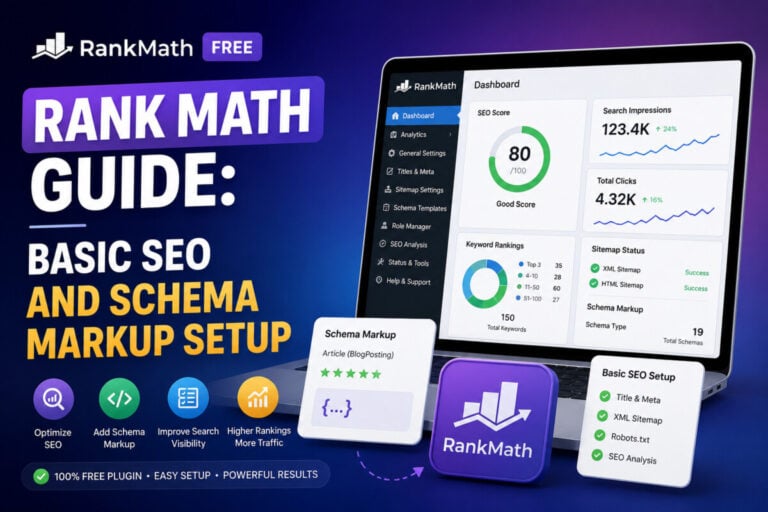
There’s so much more to on-page SEO. I use RankMath as my on-page WordPress plugin, and if you’re interested in on-page SEO, you might want to check out this article on how to use the on-page SEO checklist provided by the RankMath plugin.
Off-Page SEO
Off-page SEO includes all SEO activities that take place outside of your website. You might be wondering how on earth something that happens off of your website is connected to search engine optimization, and to understand this process, you need to understand the concept of backlinks.

What is a Back Link?
A backlink, also known as an “inbound link” or “external link,” is a link that comes to your webpage from another website.
In other words, a backlink is a link from another website or blog to your blog.
Number of backlinks = Number of Instagram followers
When explaining backlinks, I often talk about the concept of following on Instagram or Facebook, because in the blogosphere, if a particular blog has a lot of backlinks, it means it has a lot of followers.
Just as having more followers increases the influence of a person’s words or feed, having more backlinks increases a site’s Authority score. Higher authority means that search engines trust the site more, and you’re more likely to get a top ranking when you publish an article.
Some specific methods of off-page SEO include the following
- Backlink outreach and acquisition: You can buy high-quality backlinks directly from trusted sites, or you can find broken links and contact their administrators to get them.
- Digital PR and guest authorship: You can publish content as a guest author on influential platforms (high authority sites).
- Watch out for spam backlinks: Carefully manage spam backlinks that can harm your SEO.
- Social media management: You can periodically upload posts that come in through social media to your website, blog, etc.
- Manage reviews: Manage online reviews and drive positive user feedback.
We’ll talk about backlinks in more detail in a separate post.
Off-page SEO in action: Backlink effectiveness
At WPlaybook, we once built a website for an Incheon hospital, Ain Medical Center. The core request at contract time was to rank high on Google for the keyword “Geomdan Medical Center.”
Ain Internal Medicine is located in Geomdan, Incheon, so it was important for us to appear first when people searched for the keyword “Geomdan Internal Medicine.”

When we first finished working on the homepage, we were ranked around 15th on Google, and now we’re ranked first, as you can see in the picture above. The main reason for this is the backlinking work we did (creating links to us from other websites or blogs).
It looks like the total duration of the rise from #15 to #8, then #8 to #5, and finally #1 was about 3 months after the backlink work.
Technical SEO
Technical SEO means optimizing the technical aspects of your website or blog to improve user experience (UX), page speed, and more.
At WPlaybook, we care a lot about our PSI score (Google’s page performance metric), so we’ve invested in good hosting (Rocket) and paid optimization plugins (FlyingPress) to keep our homepage score at its best.
There are specific methods for technical SEO, such as
- Technical site audit: Use Semrush’s Site Audit service to find and fix technical issues with your website (like finding and removing broken links).
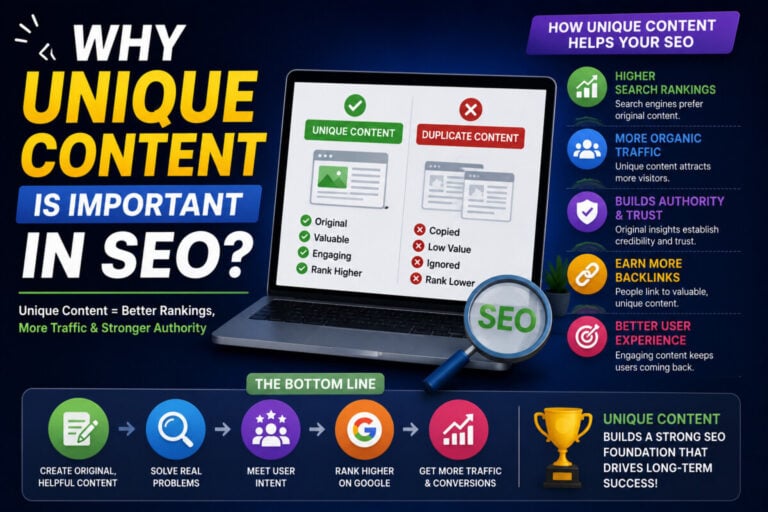
- Fix duplicate content: Find and fix duplicate content to reduce search engine confusion.
- Utilize robots.txt: This dictates how search engines should crawl your site.
- Sitemap management: Maintain a clear and organized sitemap.
- Code optimization: Set optimization plugin settings for faster page loading.
- Mobile-friendliness: Optimize your website so that it works well on mobile devices.
Closing thoughts
To help you create a website or blog that’s optimized for Google PSI scores, we’ve created a series of videos that cover everything from buying a domain, to choosing hosting, to optimizing your website. If you’re interested, check out How to Build a WordPress Blog, and if you have any questions about creating a business website, please use the Contact Us section.
You may also like
by Google AdSense

Issac Lee is the founder of WPlaybook and Statistics Playbook, a data analytics education brand. Since 2021, he has built and operated online businesses, produced more than 500 videos, and created and sold courses and digital content in collaboration with companies. He currently manages the development, SEO, and content operations of more than 40 business websites and specialist blogs. His work focuses on WordPress funnels, technical SEO, content strategy, community-led monetization, and sustainable online business.
View all posts by Issac Lee